Weekly Lymphatic Massage and Weight Training for Metabolism, Weight Loss, and Immune Health

A healthier metabolism is not built from one treatment, one workout, or one perfect week. It comes from repeated signals to the body: move well, recover well, build muscle, manage stress, and support the systems that clear waste and regulate inflammation.
That is where weekly lymphatic massage and strength training can work well together. Weight training challenges the muscles and bones. Lymphatic massage supports circulation of lymph fluid and may help with swelling, recovery, and relaxation. Together, they can be part of a practical routine for better body composition, stronger immunity, and healthier aging.
This article is for informational purposes only and does not replace medical advice. Anyone with heart disease, kidney disease, active infection, blood clots, cancer treatment concerns, or unexplained swelling should speak with a licensed health professional before trying lymphatic massage.

Your metabolism needs muscle, movement, and recovery
Metabolism is often described as how many calories the body burns, but it is more than that. It includes how the body uses energy, builds tissue, repairs damage, handles blood sugar, and responds to hormones.
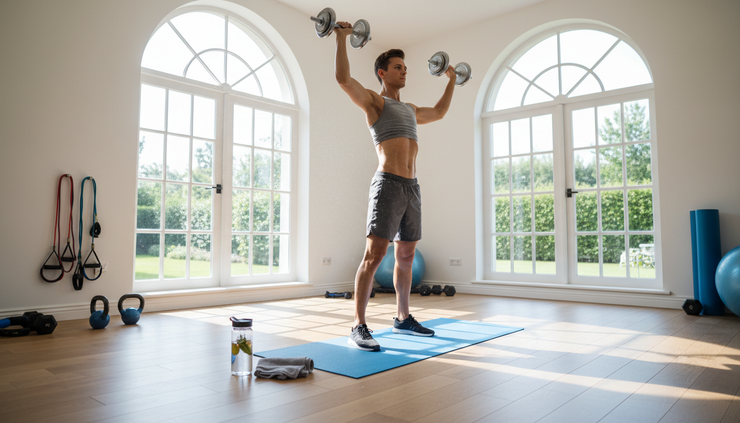
Weight training is one of the strongest tools for supporting metabolic health because muscle is active tissue. It uses energy, stores glucose, protects joints, and helps the body stay functional with age.
Strength training can support metabolism by helping to:
Build and maintain lean muscle
Improve insulin sensitivity
Increase daily energy use over time
Support bone density
Preserve independence as people age
Weight loss still depends on the bigger picture. Food intake, sleep, stress, hormones, medications, and activity all matter. Lifting weights does not cancel out poor recovery or a consistently high calorie intake. But it can shift the body toward better strength, shape, and long-term weight management.
A simple plan works better than an extreme one. Two to four strength sessions per week is enough for many people. The goal is steady progress, not exhaustion.
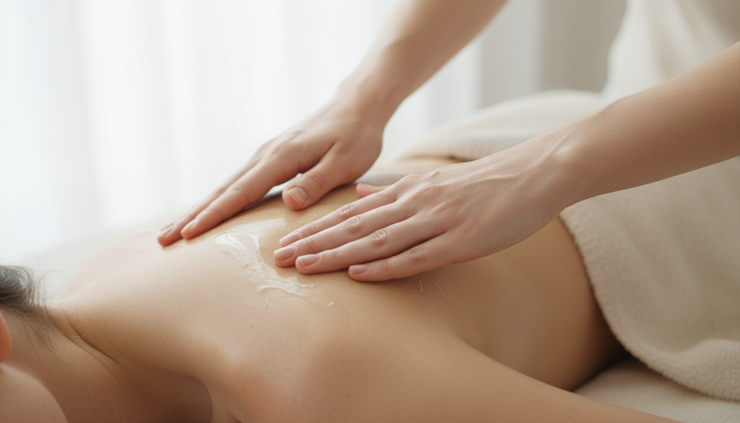
Lymphatic massage supports fluid movement and recovery
The lymphatic system is part of the immune and circulatory systems. It moves lymph fluid through the body, helping remove waste products, transport immune cells, and maintain fluid balance.
Unlike the heart, the lymphatic system does not have a central pump. It depends on muscle contraction, breathing, movement, and manual stimulation. This is why walking, stretching, deep breathing, and massage can all support lymph flow.
Weekly Lymphatic Massage and Weight Training for Metabolism, Weight Loss, and Immune Health works best when each part has a clear role. Massage should not be treated as a shortcut for fat loss. It does not “melt fat” or replace exercise. Its value is different.
Lymphatic massage may help with:
Temporary fluid retention
Post-workout muscle heaviness
Relaxation and stress reduction
A feeling of lightness after swelling or bloating
Recovery support when done by a trained provider
Some people notice looser rings, less puffiness, or better ease of movement after a session. Those effects are usually related to fluid shift, not permanent fat loss. That distinction matters because it keeps expectations realistic.
The immune system benefits from better circulation and lower stress
A strong immune system is not one that is always “boosted.” It is one that responds well, calms down when needed, and works in balance. Too much inflammation can be just as harmful as too little defense.
Strength training supports immune health in several ways. Regular moderate exercise can improve circulation, support healthy blood sugar, and help regulate inflammation. It also helps preserve muscle, which plays a larger role in immune resilience than many people realize.
Muscle tissue stores amino acids that the body may use during illness, injury, or recovery. Older adults with poor muscle mass often have a harder time bouncing back from stress. This is one reason strength training is closely tied to healthier aging.
Lymphatic massage may add another layer by supporting lymph movement and activating the relaxation response. When the nervous system shifts out of fight-or-flight mode, heart rate, breathing, and muscle tension can settle. Better stress control often supports better sleep, and sleep is essential for immune repair.
The key is consistency. A single massage or workout can feel good, but the benefits build when the routine becomes part of normal life.
Weight loss improves when training and recovery work together
Many people try to lose weight by doing more and eating less, then wonder why the body feels tired, inflamed, and resistant. Fat loss is easier to sustain when the body feels safe enough to recover.
Weight training helps shape the body during weight loss. Without it, weight loss can include both fat and muscle. With it, the body has a reason to hold on to muscle while using stored energy.
Lymphatic massage can support the recovery side of the process. It may reduce the heavy, swollen feeling that makes people want to skip workouts. It can also create a weekly pause, which is useful for people who push hard but rarely rest.
A balanced weekly rhythm may look like this:
Strength training two to four days per week
Lymphatic massage once per week
Daily walking
Protein at meals
Sleep routine
Focus on major movements such as squats, rows, presses, deadlifts, and carries
Schedule it after a hard training day or during a recovery day
Use easy movement to support lymph flow and calorie balance
Help repair muscle and manage hunger
Give the body time to regulate hormones and recover
This kind of structure is flexible. The best plan is one that can be repeated for months, not just for a motivated week.
Longevity is built through strength, mobility, and repair
Living longer and healthier is not only about adding years. It is about protecting the ability to move, think clearly, recover from setbacks, and enjoy daily life.
Strength training supports the qualities most linked with healthy aging:
Stronger legs for stairs, balance, and fall prevention
Better grip strength for daily tasks
Healthier bones and joints
More stable blood sugar
Better body composition
Lymphatic massage supports the other side of longevity: recovery, comfort, and nervous system balance. It may help people feel more connected to their bodies, notice tension early, and maintain a recovery habit. Those softer benefits can still matter because people stick with routines that make them feel better.
The combination is powerful because it respects both stress and rest. Training gives the body a reason to adapt. Massage and recovery give the body room to repair.
How to start safely and make it stick
Start with the basics. If strength training is new, begin with two full-body workouts each week. Use movements that feel controlled and pain-free. Add weight slowly.
A beginner session might include:
Sit-to-stand squats or goblet squats
Dumbbell rows
Incline pushups or chest presses
Hip hinges or Romanian deadlifts
Farmer carries
Gentle core work
For lymphatic massage, look for a licensed massage therapist trained in manual lymphatic drainage. The pressure should usually feel light, not deep or painful. Drink water, take a short walk after the session, and avoid treating massage as a reason to skip movement for days.

The most effective routine is not the most intense one. It is the one that supports muscle, circulation, recovery, and consistency.
Weekly lymphatic massage can help the body feel lighter and more relaxed. Weight training can build the muscle and strength that support metabolism, weight control, immune resilience, and healthy aging. Put them together with walking, protein, sleep, and patience, and the result is a lifestyle that supports living longer and feeling better while doing it.
Comments